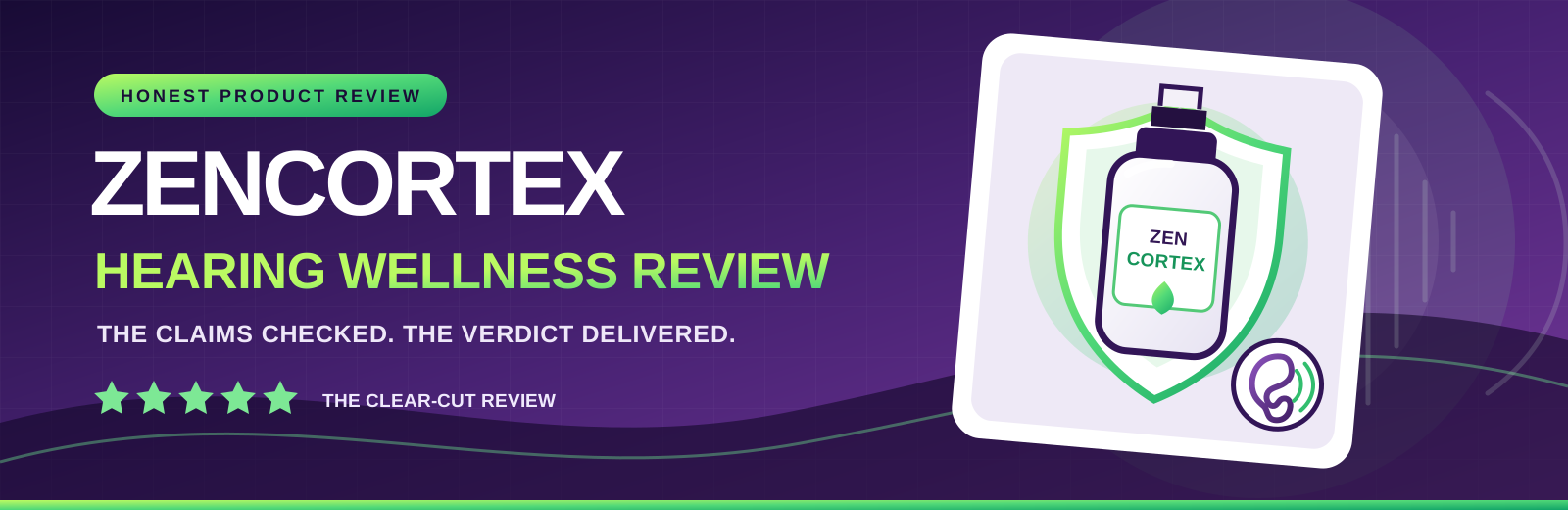
Is ZenCortex a Safe and Effective Supplement for Tinnitus
If you are dealing with tinnitus, you already know how exhausting it can be.

If you are dealing with tinnitus, you already know how exhausting it can be. The sound might be constant, it might flare after a night out, or it might show up when the room is quiet and your brain finally has time to notice it. When you start looking at supplements like ZenCortex, the question that matters most is simple and urgent: will this actually help, and will it make anything worse?
Below I will walk through what “safe” and “effective” should mean when you are shopping for a tinnitus supplement, how to think about ZenCortex safety review style questions, what tinnitus supplement side effects you should watch for, and how to decide whether it is worth trying in a practical, safety-first way.
What You Are Really Buying with a Tinnitus Supplement
Before you evaluate any product, it helps to separate three things that people often blend together:
- Symptom support (helping some people notice less distress or less intensity)
- Root cause treatment (fixing the underlying trigger, like medication-related changes, noise injury, wax blockage, or an ear problem)
- Risk management (avoiding interactions and side effects that worsen tinnitus or disrupt your nervous system)
With tinnitus, especially, it is easy to be disappointed because the condition is not one thing. Two people can describe “ringing” and be dealing with very different drivers, such as hearing loss from noise exposure, jaw and neck tension, sleep disruption, stress physiology, or medication sensitivity.
That means a supplement can be “safe” yet still not be “effective for you.” And a supplement might even feel helpful in the short term but still carry risks depending on your medications, blood pressure, liver history, or sensitivity to stimulants and herbal compounds.
When readers ask “how safe is ZenCortex for tinnitus,” they are usually asking for a realistic risk and benefit estimate, not a guarantee. Your best starting point is to treat ZenCortex as an add-on trial, not a replacement for hearing care.
ZenCortex Safety Review: What to Check Before Trying It
A fair safety review is not just about whether a product is labeled “natural.” The more useful approach is to check the details that determine real-world safety.
Here are the most important points to verify on the label and in the brand's product information, before you spend money or commit to daily use.
- Ingredient transparency and dosing clarity: Look for a full ingredient list with amounts per serving, not vague blends.
- Known sensitivities in your history: If you have had reactions to herbs, caffeine-like compounds, or supplements in general, start extra cautiously.
- Medication interactions: If you take blood thinners, anti-seizure meds, antidepressants, blood pressure medications, or frequent pain meds, interactions become a serious question.
- Adverse effects pattern: If you have a history of tinnitus worsening with certain substances, treat that as a warning sign.
- Quality signals: Third-party testing information, clean manufacturing claims, and clear lot-to-lot consistency matter, even though they are not a substitute for clinical evidence.
A Practical Safety Mindset for Tinnitus
When tinnitus is involved, the “safety” bar should include more than the absence of severe side effects. Some people notice that their ringing becomes louder after changes in sleep, blood sugar, caffeine intake, stress hormones, or even hydration patterns. Supplements can indirectly nudge those systems.
A personal example from years of seeing tinnitus clients: one person tried a “calming” supplement and felt relaxed, but their tinnitus spiked the next day. It turned out the product included ingredients that affected sleep quality, not just stress. The response was subtle but consistent. That is why I recommend starting low, one variable at a time, and tracking changes for at least a short trial period with the same routine.
How Effective Is ZenCortex for Tinnitus, Realistically?
“Natural supplement tinnitus relief” is a common phrase, but it can hide an uncomfortable truth: there is no universal supplement that reliably eliminates tinnitus for everyone.
What you can reasonably look for is whether a product helps with one or more tinnitus-related outcomes that often shift in daily life:
- perceived loudness or awareness
- ability to fall asleep
- distress and stress reactivity
- concentration and fatigue after a tinnitus flare
What Improvement Should Look Like
If ZenCortex helps you, you might notice changes that are gradual and functional, not magical. A realistic pattern could be:
- less time stuck listening to the sound
- easier sleep onset or fewer midnight awakenings
- fewer “flare days” during high-stress weeks
If you feel no difference, that also tells you something. The most common buying mistake is trying a supplement for too long without clear tracking, then assuming it “did not work” when the real issue was inconsistent use, a mixed schedule, or a worsening trigger that was never addressed.
Signs You Should Stop and Reassess
Stop the trial and reassess if you notice:
- tinnitus gets clearly louder or more frequent
- new dizziness, headache, nausea, or anxiety appears after starting
- sleep worsens instead of improving
This does not automatically mean the supplement is dangerous. It means the response is not favorable for you, and tinnitus is not the place to push through a negative signal.
Tinnitus Supplement Side Effects: Common and Less Obvious Ones
Even when a supplement is well-tolerated, tinnitus is sensitive. Some side effects are obvious, but others show up as changes in your nervous system pacing. Here are the types of tinnitus supplement side effects people report or experience in practice, without assuming any product is identical.
First, there are the usual suspects:
- stomach upset, nausea, or reflux
- headache or light sensitivity
- jitteriness or restlessness
- changes in sleep quality
Then there are the less obvious ones that matter specifically for tinnitus:
- increased stress reactivity (feeling “on edge”)
- attention narrowing, where you notice the ringing more
- fatigue swings that make tinnitus stand out at night
If you are prone to migraines, anxiety, or caffeine sensitivity, you should treat any new supplement as a nervous-system variable. That does not mean “never try it.” It means you should start with a cautious dose and avoid stacking multiple new products at the same time.
Pricing and Safety: How to Decide If ZenCortex Is Worth the Cost
In a category like Pricing, Safety & Buying Guides, price is not only about affordability. It is also about how confident you should feel in your ability to trial safely and consistently.
A few cost-related questions can protect you from wasted money:
- Is there a smaller trial size or easy return policy? If you cannot trial it at a lower cost, you take on more risk.
- Does the brand publish clear dosing and serving counts? Confusing labels often lead to incorrect use.
- Are you paying for transparency? Products that clearly list ingredients and amounts tend to be easier to evaluate for how safe is ZenCortex for tinnitus.
- Do you understand the timeline? If the company implies instant results, that is a red flag. If it suggests a cautious, real-world trial, that is more believable.
- Are you still investing in hearing care? If tinnitus relief matters, a supplement should not delay evaluation for ear wax blockage, hearing changes, or medication-related issues.
A Simple, Safety-first Trial Plan (Without Overcomplicating It)
If you decide to try ZenCortex, keep it grounded and trackable. You want enough structure to know what is happening.
- Start with the lowest label-recommended dose if you are cautious.
- Keep your routine stable for the trial period, especially caffeine and sleep timing.
- Track a few metrics daily: ringing loudness (0 to 10), sleep quality, and any side effects.
If you do not see any meaningful shift and your tinnitus stays unchanged after a reasonable trial, it is usually smarter to stop rather than keep paying for a “maybe.”
If you do see improvement, treat it like an experiment, not a cure. Continue with safer habits that reduce flares: protect your ears around loud environments, prioritize sleep consistency, and treat stress as a real physiological driver, not a personal flaw.
Ultimately, is ZenCortex a safe and effective supplement for tinnitus? Safety depends on your health profile, your meds, and your response. Effectiveness depends on the tinnitus driver and whether the supplement supports the outcomes that actually matter in your day-to-day life. If you approach it with careful checks, cautious dosing, and clear tracking, you give yourself the best chance of improving your symptoms without paying the price in side effects.